What is Wind Uplift?
Wind Uplift refers to the upward force from wind pressure on structures such as rooftops and balconies, particularly in high-rise buildings. When wind flows over and around a building, it creates differences in air pressure above and below the surface. This imbalance can generate a lifting force strong enough to dislodge paving tiles or slabs, particularly those installed using pedestal systems or loose-laid methods. Wind uplift typically occurs during extreme weather events, such as storms or high wind conditions, but it can also happen gradually over time if proper installation measures are not in place.
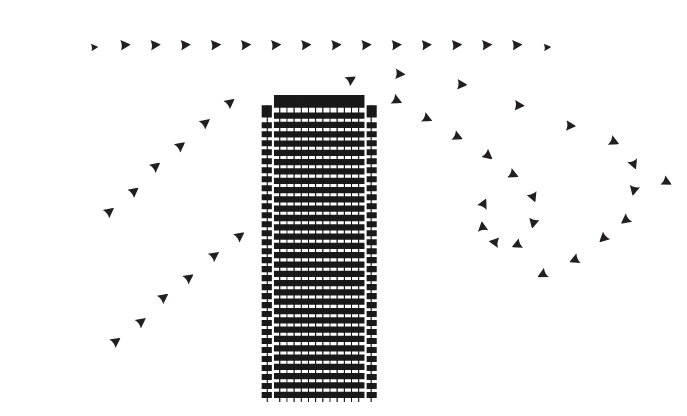
Key factors that affect Wind Uplift
1. Air Pressure
The pressure above the roof or balcony can be significantly lower than below causing an upward vortex. This creates a suction-like force that can lift tiles or slabs, particularly at the edges and corners where turbulence is highest.
2. Height of the Building
Taller buildings are more exposed to stronger and more unpredictable wind patterns. The higher the elevation, the greater the wind speed, which increases the uplift force acting on the surface materials.
3. Design of the surface
Flat exposed surfaces such as tiles or slabs on pedestal systems are at increased risk to wind uplift. Porcelain paving laid on pedestal or adjustable support systems leaves air gaps beneath the tiles, allowing wind to circulate and build pressure underneath.
4. Weight and attachment of the materials
Porcelain tiles are lightweight and rigid, which makes them more susceptible to movement compared to heavier natural stone slabs. Poorly secured or inadequately fixed tiles can easily be displaced, leading to dangerous situations.
What are the risks with Porcelain?
Dislodged materials
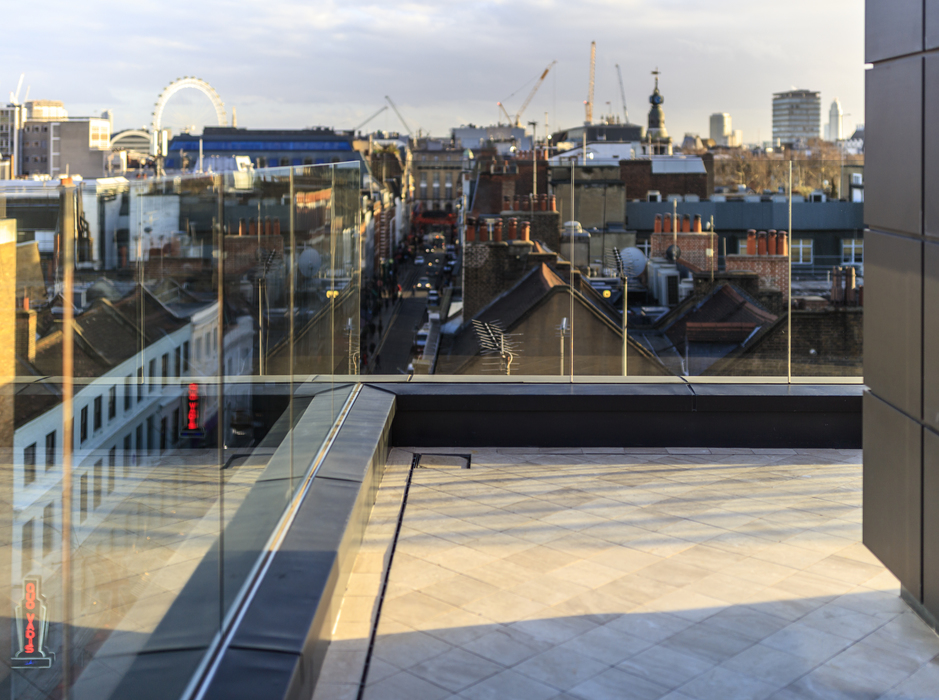
Lifted or shifted tiles can pose serious safety concerns on rooftops and balconies. Even slight movement may cause uneven surfaces and trip hazards, while stronger uplift can lead to tiles being blown off entirely.
Structural Damage to the area
When tiles become displaced, they can harm nearby structures or the underlying roof system. This may result in damaged membranes, insulation issues, and potential water leaks that worsen over time.
Injury or Property Damage
In severe cases, uplifted tiles can fall from height, creating a high risk of injury to people below or damage to nearby property.
How can this be safely prevented?
1. Secure installation
Use suitable fixings or adhesive systems designed for porcelain paving, ensuring pedestal systems include anti-lift features like clips or bonding pads.
2. Edge Protection
Fit perimeter restraints or upstands to stop wind from penetrating beneath tiles and causing lift.
3. Regular Maintenance
Inspect surfaces regularly—especially after storms—for loose tiles, debris, or damaged fixings to prevent future hazards.
4. Wind Load Assessment
Evaluate wind exposure and building height before installation to select appropriate systems that comply with BS EN 1991-1-4 standards.
5. Professional Guidance
Seek advice from qualified installers or engineers to ensure safety, durability, and compliance with industry best practices.

The Keystone Solution
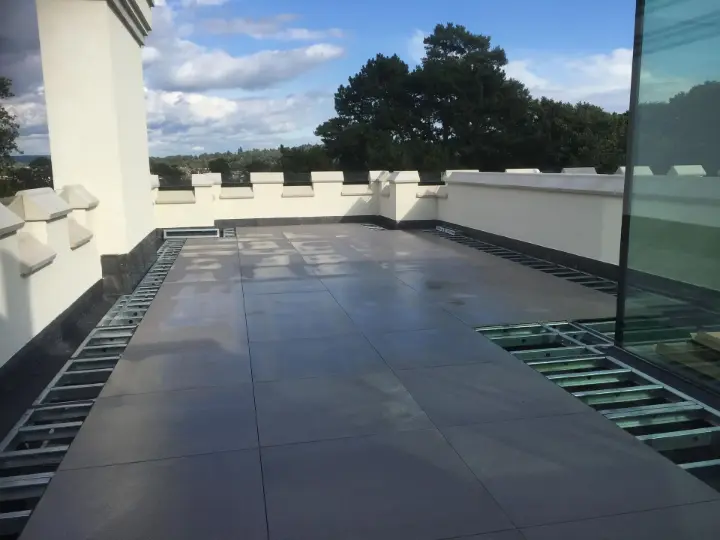
To counter the risks of wind-up lift we have got a cost-effective BBA/UKAS Tested and Certified system. For more information pricing please get in touch by filling out the form below.
Porcelain Paving Wind Uplift Solution